1) Overview
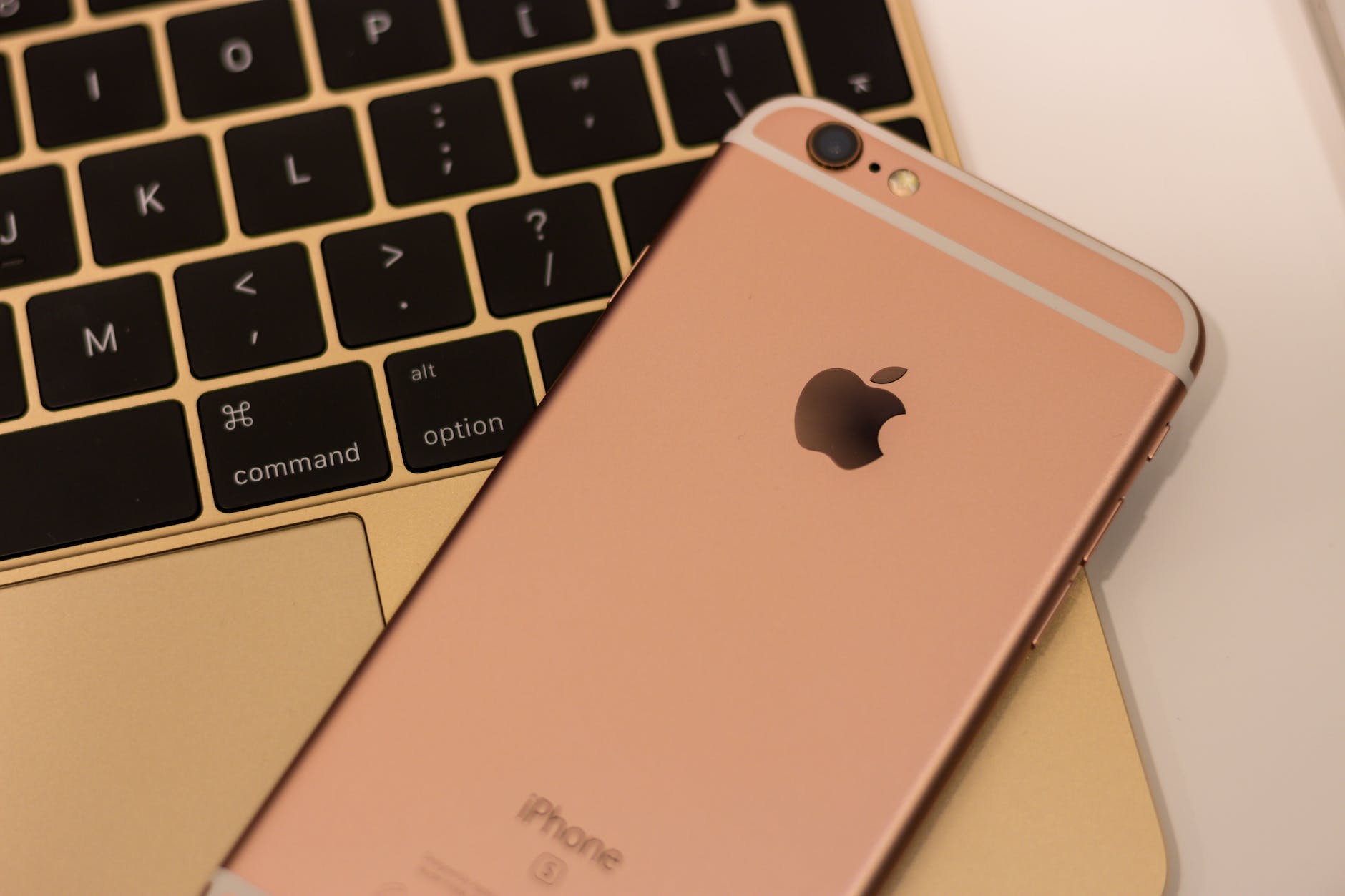
Apple is one of the world’s leading technology companies, known for its innovative products and services, such as the iPhone, iPad, Mac, Apple Watch, Apple TV, AirPods, Apple Music, iCloud, and more. Apple’s mission is to create products that enrich people’s lives and empower them to do amazing things. Apple also strives to be a force for good in the world by supporting social and environmental causes, promoting human rights and diversity, and fostering a culture of inclusion and belonging among its employees and customers.
2) What is the strategy? How do they measure it?
Apple’s strategy for diversity, equity, and inclusion (DEI) is based on three pillars: representation, inclusion, and accountability. Apple believes that having a diverse and inclusive workforce is essential for innovation and creativity, as well as for reflecting the diversity of its customers and communities. Apple also believes that equity is the foundation of inclusion, which means ensuring that everyone has equal access to opportunities and resources, regardless of their background, identity, or perspective.
Apple measures its progress on DEI by publishing annual reports that disclose its workforce demographics, hiring trends, pay equity analysis, supplier diversity data, education and community initiatives, and more. Apple also conducts regular surveys and feedback sessions with its employees to understand their experiences and challenges and to identify areas for improvement. Apple also benchmarks its performance against industry standards and best practices and collaborates with external partners and experts to learn from their insights and recommendations.
3) What is the leadership structure from C-suite to DEI Leadership?
Apple’s leadership structure reflects its commitment to DEI at all levels of the organization. The company’s CEO, Tim Cook, is an outspoken advocate for diversity and inclusion, both within Apple and in the broader society. He has publicly supported various causes and movements related to racial justice, LGBTQ+ rights, immigration reform, accessibility, education, and more. He has also championed initiatives such as Apple Entrepreneur Camps for women and underrepresented founders, Apple Developer Academies for young coders in underserved regions, and Apple Watch Research Studies for health equity.
Apple’s senior vice president of Retail + People, Deirdre O’Brien, oversees the company’s global retail operations as well as its human resources functions. She is responsible for ensuring that Apple’s employees are engaged, empowered, and supported throughout their careers. She also leads the company’s efforts to foster a culture of inclusion and belonging across its stores, offices, and online platforms.
Apple’s vice president of Inclusion and Diversity (I&D), Barbara Whye, leads the company’s global I&D strategy and initiatives. She works closely with other leaders across the company to integrate DEI principles into every aspect of Apple’s business. She also oversees the company’s Employee Resource Groups (ERGs), which are voluntary networks of employees who share common identities or interests. Apple has over 25 ERGs that represent various dimensions of diversity, such as race, ethnicity, gender, sexual orientation, disability,
age, religion, and more.
4) What is the workforce composition?
Apple’s workforce composition reflects its efforts to increase diversity and representation across its teams and functions. As of December 2021¹, Apple’s overall workforce was 37% women globally (up from 31% in 2014) and 47% underrepresented minorities in the U.S. (up from 37% in 2014). Underrepresented minorities include Black/African American (10%), Hispanic/Latinx (16%), Native American/Alaskan Native (1%), Native Hawaiian/Pacific Islander (1%), and Multiracial (3%) employees¹. Apple also reported that 23% of its U.S. employees identified as LGBTQ+¹.
Apple’s leadership was 31% women globally (up from 28% in 2014) and 36% underrepresented minorities in the U.S. (up from 27% in 2014)¹. Apple’s technical roles were 26% women globally (up from 20% in 2014) and 31% underrepresented minorities in the U.S. (up from 23% in 2014)¹. Apple’s non technical roles were 38% women globally (up from 35% in 2014) and 41% underrepresented minorities in the U.S. (up from 36% in 2014)¹.
Apple also disclosed its pay equity analysis, which showed that it achieved 100% pay equity for employees of all genders and races/ethnicities in the U.S., as well as for employees of all genders globally¹. Apple also reported that it increased its spending with diverse suppliers by 64% since 2018, reaching $1.5 billion in 2020¹.
5) What are their employees saying? What are the employee ratings on employer evaluation sites?
Apple’s employees have expressed their views and experiences on various employer evaluation sites, such as Glassdoor, Indeed and Comparably. Based on these sites, Apple has received generally positive ratings and reviews from its employees, especially on aspects such as culture, innovation, benefits and work-life balance. However, some employees have also raised concerns and criticisms about issues such as workload, stress, management, communication and career advancement.
On Glassdoor, Apple has an overall rating of 4.3 out of 5 stars, based on over 23,000 reviews. 92% of the reviewers would recommend Apple to a friend, and 88% approve of the CEO. The most common pros mentioned by the reviewers are the great products, people, culture and perks. The most common cons mentioned by the reviewers are the long hours, high pressure, politics and bureaucracy.
On Indeed, Apple has an overall rating of 4.2 out of 5 stars, based on over 21,000 reviews. 84% of the reviewers would recommend Apple as a place to work, and 81% approve of the CEO. The most common pros mentioned by the reviewers are the fun environment, learning opportunities, diversity and benefits. The most common cons mentioned by the reviewers are the stressful deadlines, low pay, favoritism and lack of feedback.
On Comparably, Apple has an overall rating of 4.4 out of 5 stars, based on over 11,000 ratings. Apple ranks in the top 5% of similar-sized companies for culture, diversity and leadership. Apple also ranks in the top 10% of similar-sized companies for compensation, happiness and perks. However, Apple ranks in the bottom 50% of similar-sized companies for work-life balance and career growth. The most common pros mentioned by the raters are the innovation, teamwork, diversity and impact. The most common cons mentioned by the raters are the workload, stress, micromanagement and politics.
6) Does the company have public relations issues or information from the news?
Apple has been involved in various public relations issues or news stories related to its DEI efforts. Some of these have been positive and supportive, while others have been negative and critical. Here are some examples of both:
Positive:
– In 2020, Apple announced a $100 million Racial Equity and Justice Initiative (REJI), which aims to challenge systemic barriers to opportunity and dignity for communities of color, especially Black communities. The initiative focuses on three areas: education, economic empowerment and criminal justice reform¹.
– In 2021, Apple celebrated Black History Month with a series of special features and events across its products and services, such as curated collections on Apple Music, Apple TV, Apple Books and Apple Podcasts; exclusive editorial content on Apple News; new augmented reality experiences on Apple Maps; and more¹.
– In 2021, Apple launched a new mentorship program called Launch@Apple, which connects first-generation college students who are majoring in finance, economics, accounting or business with Apple mentors and resources. The program aims to increase representation and inclusion in the corporate finance field¹.
Negative:
– In 2019, Apple faced backlash from some employees and customers over its decision to remove an app called HKmap.live from its App Store, which was used by pro-democracy protesters in Hong Kong to track police activity. Some accused Apple of bowing to pressure from China and compromising its values of freedom and human rights.
– In 2020, Apple faced allegations of gender discrimination and retaliation from a former employee named Ashley Gjøvik, who claimed that she was subjected to a hostile work environment, unequal pay and unfair treatment by her managers. She also claimed that she was fired after raising these issues internally and publicly.
– In 2021, Apple faced criticism from some employees and activists over its plan to introduce a new feature called CSAM Detection, which would scan users’ iCloud Photos for images of child sexual abuse material (CSAM) and report them to authorities. Some argued that this feature would violate users’ privacy and security, and could be abused by governments or hackers.
7) Are there any legal cases based on discrimination or harassment?
Apple has faced several legal cases based on discrimination or harassment over the years. Some of these have been settled out of court, while others have been dismissed or are still ongoing. Here are some examples of both:
Settled:
– In 2017, Apple agreed to pay $2 million to settle a class-action lawsuit filed by more than 20 female employees who alleged that they were paid less than their male counterparts for doing the same work.
– In 2018, Apple agreed to pay $6.4 million to settle a class-action lawsuit filed by more than 16,000 retail workers who alleged that they were denied meal breaks and rest breaks as required by California law.
Dismissed:
– In 2019, a federal judge dismissed a lawsuit filed by two former employees who alleged that they were racially harassed and discriminated against by their managers at an Apple store in New York. The judge ruled that the plaintiffs failed to show that they suffered any adverse employment actions or that their complaints were ignored by the company.
– In 2020, a federal judge dismissed a lawsuit filed by a former employee who alleged that he was fired for being gay after he complained about homophobic comments made by his co-workers at an Apple warehouse in California. The judge ruled that the plaintiff failed to prove that his sexual orientation was a motivating factor in his termination or that he suffered any hostile work environment.
Ongoing:
– In 2019, a former employee filed a lawsuit against Apple alleging that he was subjected to racial discrimination, harassment and retaliation by his managers at an Apple store in Massachusetts. He claimed that he was called derogatory names, denied promotions and training opportunities, and ultimately fired for reporting these incidents to the company’s human resources department and the Equal Employment Opportunity Commission (EEOC).
– In 2020, a former employee filed a lawsuit against Apple alleging that she was sexually harassed and assaulted by her manager at an Apple store in California. She claimed that she was groped, kissed and propositioned by her manager, who also threatened to fire her if she reported him. She also claimed that the company failed to investigate her complaints or take any corrective action.
8) Action to date
Apple has taken various actions to date to advance its DEI goals and address its challenges. Some of these actions include:
– Launching a new Inclusion and Diversity website in 2020, which showcases Apple’s DEI vision, values, initiatives, data and stories¹.
– Creating a new Racial Equity and Justice Initiative (REJI) Council in 2020, which consists of leaders from across Apple who advise and guide the company’s REJI efforts¹.
– Expanding its partnerships with historically Black colleges and universities (HBCUs), Hispanic-serving institutions (HSIs), tribal colleges and universities (TCUs), women’s colleges and other organizations that support underrepresented students and communities¹.
– Developing new programs and resources to support the career development and retention of underrepresented employees, such as the Inclusion Network Program, the Inclusion Champions Program, the Inclusion Innovation Program and more¹.
– Enhancing its policies and practices to prevent and address discrimination, harassment and retaliation, such as updating its Code of Conduct, providing mandatory training for all employees and managers, establishing a dedicated I&D hotline and email address, and more¹.
9) What has been/are the corporate responsibility efforts in relation to D&I?
Apple has been involved in various corporate responsibility efforts in relation to D&I, both internally and externally. Some of these efforts include:
– Supporting various social and environmental causes that align with its values and mission, such as education, health, climate change, human rights, accessibility and more.
– Donating millions of dollars and products to various organizations and initiatives that promote diversity, equity and inclusion, such as the NAACP Legal Defense Fund, the Equal Justice Initiative, the Malala Fund, the Thurgood Marshall College Fund and more.
– Participating in various coalitions and campaigns that advocate for policy changes and social justice, such as the Human Rights Campaign’s Business Coalition for Equality Act, the Leadership Conference on Civil and Human Rights’ Voting Rights Campaign, the Time to Vote Movement and more.
– Receiving various awards and recognitions for its DEI efforts from various organizations and publications, such as Fortune’s Change the World List, DiversityInc’s Top 50 Companies for Diversity, Forbes’ Best Employers for Diversity and more.
10) Landscape Analysis
Apple’s DEI efforts can be compared and contrasted with those of other companies in the technology industry, as well as other industries. Based on the available data and information, some of the similarities and differences are:
Similarities:
– Most technology companies share similar challenges and opportunities in terms of attracting, developing and retaining diverse talent, especially in technical roles and leadership positions.
– Most technology companies have similar goals and strategies for advancing DEI, such as increasing representation, fostering inclusion and ensuring accountability.
– Most technology companies have similar metrics and methods for measuring and reporting their progress on DEI, such as disclosing their workforce demographics, pay equity analysis, supplier diversity data and more.
Differences:
– Apple has a higher percentage of women and underrepresented minorities in its overall workforce, leadership and technical roles than most of its peers in the technology industry, such as Google, Microsoft, Facebook and Amazon .
– Apple has a more comprehensive and holistic approach to DEI than most of its peers in the technology industry, as it covers not only its employees, but also its customers, suppliers, partners and communities.
– Apple has a more visible and vocal leadership on DEI than most of its peers in the technology industry, as its CEO and other senior executives frequently speak out and take action on various social and political issues related to diversity, equity and inclusion.
11) Anything Other
Apple’s DEI efforts are not without limitations or criticisms. Some of the areas that Apple could improve or address are:
– Increasing transparency and accountability on its DEI performance and challenges, such as providing more granular and disaggregated data, disclosing its goals and targets, addressing its gaps and shortcomings, and soliciting feedback and input from its stakeholders.
– Enhancing diversity and inclusion across its global operations and markets, such as adapting its policies and practices to different cultural contexts, addressing regional disparities and barriers, and engaging with local communities and organizations.
– Balancing innovation and ethics in its products and services, such as ensuring that its technologies are accessible, inclusive and respectful of human rights and privacy, and avoiding potential harms or abuses of its power and influence.
12) Conclusion
Apple is a company that values and promotes diversity, equity and inclusion in its vision, mission and actions. Apple has made significant progress and achievements in its DEI efforts over the years, both internally and externally. Apple has also faced various challenges and criticisms in its DEI efforts, which it has tried to address and overcome. Apple still has room for improvement and growth in its DEI efforts, which it can pursue by learning from its successes and failures, as well as from its peers and partners. Apple’s DEI efforts are not only beneficial for its employees, customers and communities, but also for its innovation, creativity and impact .
 SHLOKK
Leave a comment